
Yurtdışında eğitim, denklik başvurusu veya iş fırsatları söz konusu olduğunda en önemli belgelerden biri: diploma.
Ancak diplomanın sadece sunulması yeterli değildir, çoğu durumda yeminli tercüme, noter onayı ve apostil sürecinden geçmesi gerekir.
Peki diploma çevirisi nasıl yapılır? Hangi aşamalar zorunludur? En küçük bir hata neden kritik olabilir?
Tüm detaylarıyla anlatıyoruz .
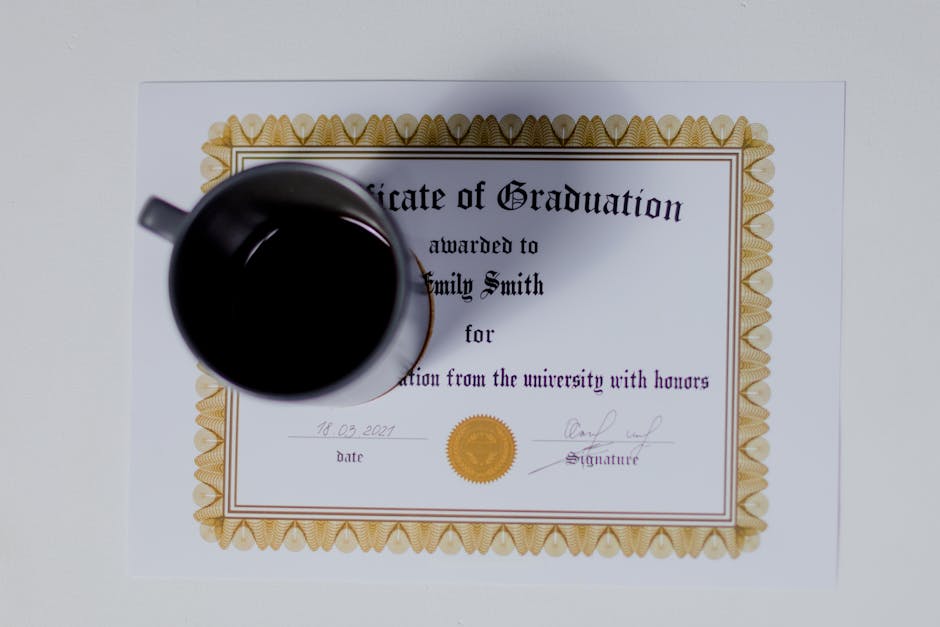
Diploma Çevirisi Nedir?
Bir eğitim belgesinin (lise, lisans, yüksek lisans vb.) resmi ve birebir doğru şekilde başka bir dile aktarılmasıdır.
Bu çeviri:
- Akademik terminolojiye uygun olmalı
- Resmi format korunmalı
- Hukuki geçerlilik sağlayacak şekilde hazırlanmalıdır
Hangi Durumlarda Diploma Tercümesi Gerekir?
Diploma çevirisi genellikle şu durumlarda zorunludur:
- Yurtdışında üniversite başvuruları
- Yurtdışı iş başvuruları
- Denklik (equivalence) işlemleri
- Göçmenlik ve vize başvuruları
Özellikle Avrupa ülkelerinde (İtalya dahil), diploma çevirisi resmi prosedürün ayrılmaz bir parçasıdır.
Diploma Çevirisinde En Kritik Noktalar
1. Birebir Doğruluk
- İsim, soyisim, doğum tarihi harfiyen aynı olmalı
- Küçük bir harf hatası bile başvurunun reddine neden olabilir
2. Akademik Terimlerin Doğru Kullanımı
- “Lisans”, “ön lisans”, “yüksek lisans” gibi ifadeler doğru karşılıkla çevrilmelidir
- Örnek:
- Lisans → Laurea (İtalyanca)
- Transkript → Transcript of Records
3. Kurum İsimleri
- Üniversite ve okul isimleri çevrilmez, orijinal hali korunur
- Gerekirse parantez içinde açıklama eklenir
4. Format ve Görsel Düzen
- Belgenin düzeni mümkün olduğunca korunmalıdır
- Mühür, imza ve notlar tercümede belirtilmelidir
Yeminli Tercüme
Diploma, yetkili yeminli tercüman tarafından çevrilir.
Noter Onayı
Tercüme noterde tasdik edilir ve resmi belge haline gelir.
Apostil İşlemi
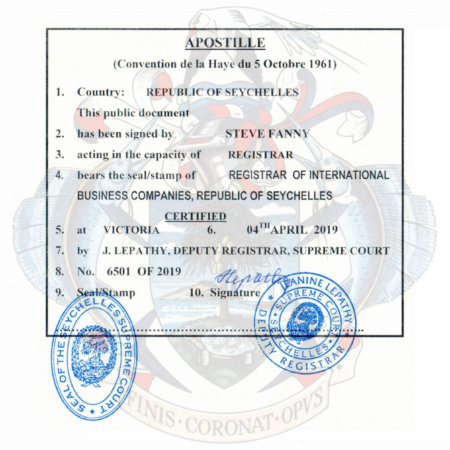
Çoğu durumda:
- Diplomanın orijinaline apostil yapılır
- Tercüme edilir → noter onayı alınır
- Noter onaylı tercümeye ikinci apostil (çift apostil) yapılır
Just Tercüme ile Profesyonel Hizmet
Diploma çevirisi ve yurtdışı başvuru süreçlerinde hatasız ve güvenilir hizmet sunuyoruz.
Hizmetlerimiz
- Diploma ve transkript yeminli tercümesi
- Noter tasdik işlemleri
- Apostil ve çift apostil yönetimi
- Redaksiyon
Apostil Belge Doğrulama sistemine e-devlet üzerinden ulaşmak için tıklayınız.